
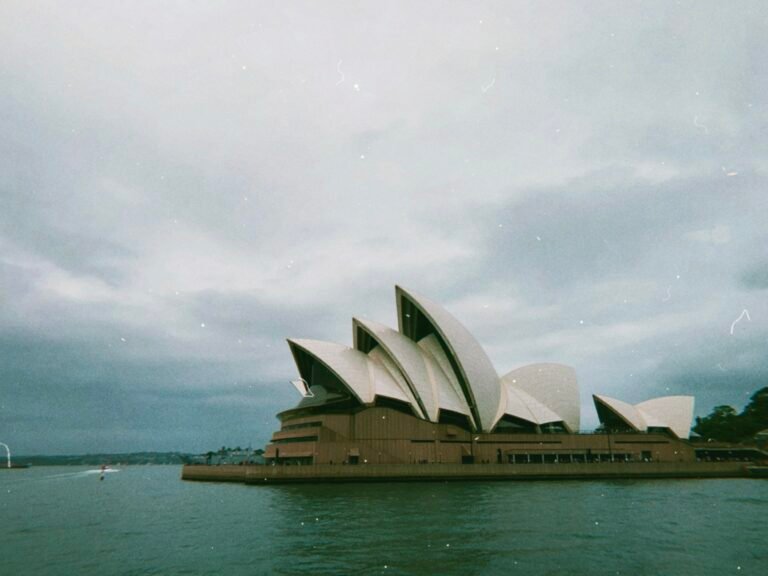
So you wanna move to Australia?
I decided to move to Australia in February of 2024 with my younger sister. We initially planned to do a backpacking trip through Europe in the summer when she graduated high school but sometime in the summer of 2023 a “Do a Working Holiday Visa” ad showed up on my instagram and we thought, “see the land down under and work on the side to fund our travels? F YEAH”
This ended up being one of the best decisions I ever made…
Table of Contents
First things first
Obviously you’re going to want to check your eligibility. There are two subclasses 417 & 462. As a Canadian I was the subclass 417. You can do the working holiday from 18-35 years of age but depending on your country this may limit you to 18-30. The 462 subclass has an additional eligibility requirement which is most notably is a education and english requirement.
Now the visa will require you to have $5,000AUD you’ll need upload proof of how much money you have saved in your current country, (this can be a bank statement or proof of account statement that you can obviously get from your current bank) don’t ask me how to do that part, thats a you thing.

The visa itself currently costs $840aud and once you submit everything, you play… the waiting game. My sister and I waited for about a week only to realize that we had literally been approved the following day. Stupid junk folder. Anyways for some people that meant they waited months. So here is your warning. Also for some, Australia will only allow X amount of people from your country. May the odds be ever in your favour, or whatever they say.
Hooray! You got approved. Now you have a full year to enter the country. The date you arrive in Aus will be your start date and you will have a full year to enjoy all Australia has to offer.
Flights to Australia tend to be cheaper to Sydney, Brisbane, & Perth. I would recommend flying to Sydney or Brisbane, Perth is beautiful but it is very far away from everything else. Every map you have seen, has lied to you because I was shocked when I realized how big this country actually is.
First accommodation
Hostels are your friend! Especially if you are traveling alone this really is a good way to meet other people, people that are also, most likely doing a working holiday. You will have the odd German that is traveling in their gap year, the French that don’t talk to anyone else other than the French (with peace and love) and a whole lot of Brits, like a lot. Most hostels have social nights which can also let you discover the city you’re in with people who are like you 🙂
To Do List:
Now that you’re in the country, and you have a place to sleep, you’re going to need to add a few things on your to-do list.
*When you open a bank account, they will ask for a phone number so this is important to do first. Although you might have to give your overseas bank account to get a phone plan. You can always change your card later.
- #1. Get a SIM card. My sister and I went with Optus. A lot of hostels offer those $2 SIM cards. Don’t get those, I promise if you just do it the old fashion way and walk into one of these stores they will help you set it up. I was paying on average about $50 a month for 10GB. Compared to Canada, this was not bad.
- *When you open a bank account, they will ask for a phone number so this is important to do first. Although you might have to give your overseas bank account to get a phone plan. You can always change your card later.
- #2. Get an Australian Bank account. I chose Commonwealth bank. I think I initially chose this because I was actually able to set the account up back home before I arrived and just needed to go into the bank to verify my phone number and other documents. A lot of my friends were with NAB which they didn’t seem to have any problems with. There is also ANZ, Westpac, HSBC etc… Choosing a bank is your homework, sorry, I can’t be your financial advisor.
- #3. Apply for a TFN (tax file number) This is for when you do get that job. It’s used for tax and your superannuation. This one can be a bit tricky. Once you apply for it the government will send you a letter with this number, so you need to make sure you’re going to be in one place for 1-2 weeks. Don’t worry, no need to open up a PO. box, you can use the address of the hostel you’re staying in.
Extending your visa
Most people who are on the visa end up wanting to extend for 2-3 years. A common thing you will hear is your “88 days”. This means that in order to extend your visa for the second year you must complete 3 months or 88 days of work. However, this isn’t just any work, it must be regional work, and you’ll need to meet a few essential requirements.
# 1 – Your 88 days don’t count in most major cities, including Sydney, Brisbane, Melbourne, Adelaide, and Perth. This is why many working holiday makers end up working on farms to get the required days. In smaller towns, most other jobs may count. For example, working in tourism and hospitality in Cairns can work in your favour.
# 2 – How to count your days properly- It’s not about hours, it’s about meeting the program’s way of assessing the calendar days of eligible work you did. I used an app called “88 days calculator”. This made it very easy and all I had to do was enter in the hours of work I did each time I received a payslip.
# 3 – You do not have to do this all in one go, you can spread out the work throughout the year, just make sure you have done all the required days before your visa runs out.
You can find all the information about the days on the Australian government website here:
Specified work & approved industries/ areas for subclass 462
Specified work & approved industries/ areas for subclass 417
*Now if you’re from the UK you’re lucky because as of July 1st 2024 UK passport holders are automatically approved for the three years.
If you have been successful in completing your 88 days, first congrats, second, if you want to extend for a third year, you will need to do the same thing but for six months.
UPDATE: The Australian government has made some major updates to all visas. Click here to see the lastest news.
Work
Depending on who you are and what your experience is, there are a few courses that are helpful to have no matter the job you’re applying to.
RSA – Responsible Service of Alcohol – It teaches you the rules for serving alcohol safely and legally, and it’s usually required if you want to work anywhere alcohol is served. This can be done online maybe in an afternoon… or two.
First Aid courses – Unfortunately Australia doesn’t recognize most if not all qualifications you have obtained in your home country. First aid being one of them. The courses like your standard first aid must be done in person, which can be a pain. The most common ones to get are the:
- HLTAID009 Provide cardiopulmonary resuscitation (CPR)
- HLTAID010 Provide basic emergency life support
- HLTAID011 Provide First Aid
Usually the HLTAID011 combines CPR in the course but the HLTAID009 needs to be renewed annually whereas the HLTAID011 gets renewed after every 3 years. Have I confused you yet?
These courses aren’t a requirement but it will give you a leg up when it comes to getting the job.
Job Hunting
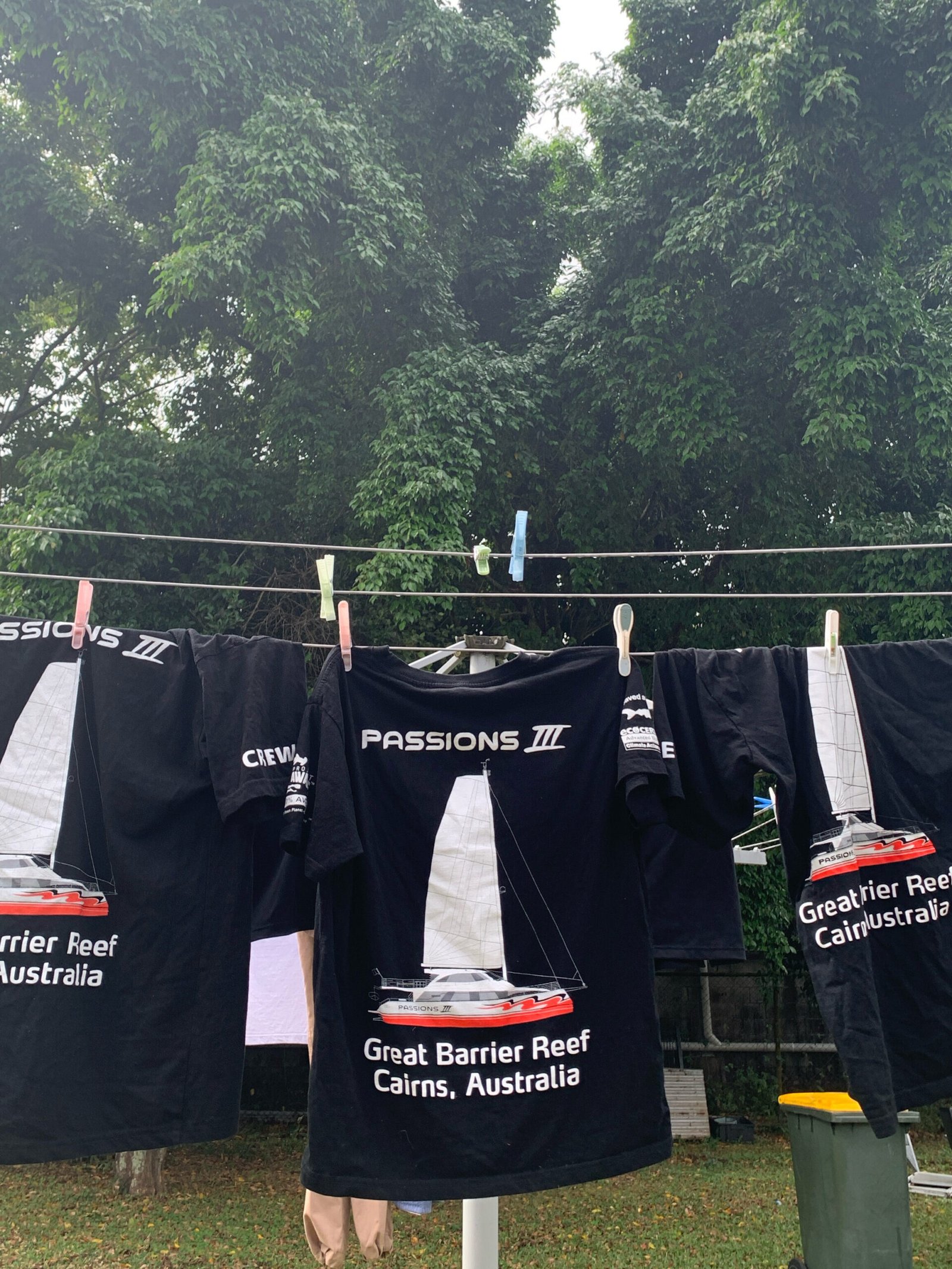
When you start your job hunt, try going in person with your printed out resume or CV. I know, I know, shocking advice in the age of online applications, but a lot of the people I met who were struggling to find work were only applying online and hoping for the best. Aussies often like to meet you in person, so make the effort to show up yourself. And don’t go with your whole group of friends like you’re trick-or-treating for candy on Halloween. You’re a big kid, you can do it.
In Australia they will most likely ask you to do a “trial” I’d have never heard of this before I went to Aus but this is when a business will ask you to come in for X amount of hours, usually unpaid, whether you can do what you said you could do, and whether you like the job too. When you do go online, websites like SEEK and Backpacker Board Australia can be really helpful. Try to be flexible with your first job, it doesn’t have to be your dream job. Try to say “yes” to as many opportunities as you can. Sometimes the best way to get settled into a new country is to get your foot in the door, and figure out the rest as you go. Your first Aussie job is probably just paying for rent, beers, and emotional damage of figuring life out. Best of luck, I know how it feels.
Other tips
Aussie sun
The Australian sun hits like no other, I’m not kidding there were some points where I could feel my skin cooking. Nowadays everyone and their dog is wearing sunscreen. But do me a favour and if you’re going for a swim in the ocean, put on some reef safe sunscreen. What makes sunscreen reef safe you ask? Well, look for a label without oxybenzone (benzophenone-3) and octinoxate (octyl methoxycinnamate) These ingredients are found to be in sunscreen and are considered more harmful to marine life and coral health; If you can’t even pronounce it, it can’t be too good for you either. Zinc – Lots of surfers use Zinc oxide which is a mineral and tends to be better aligned with many reef-safety guidelines. Although zinc doesn’t really rub in like sunscreen does. You can find zinc in a lot of bright colours like neon pink, blue and green, but if rockin’ a face full of blue isn’t your style don’t worry, they also have skin tone colours.
Relocation cars
This was a huge life hack. If you are wanting to relocate or even just travel to another city in Australia, there are companies that let you move their vehicles for them, and you only pay $1 a day. Yes, really no need to rent a car or book a bus ticket.
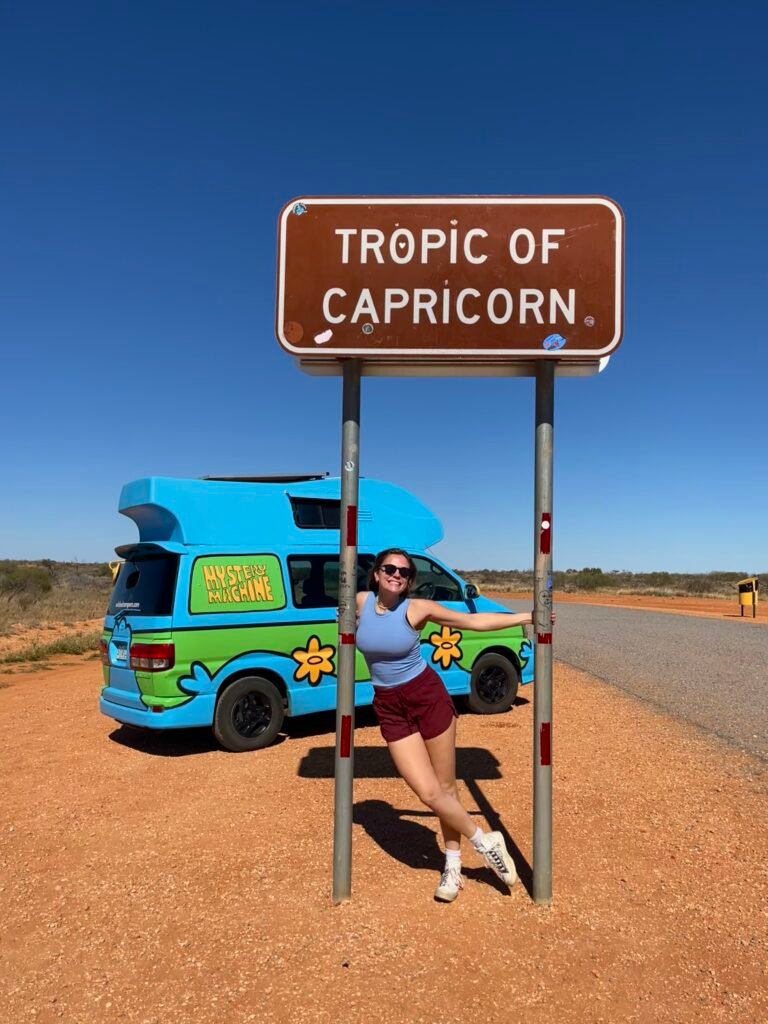
The company we used more than once was Imoova (not sponsored) You choose the city you’re in, and they show you the available routes. For example if they need a car moved from Brisbane to Cairns by a certain date, you’ll usually have a set time frame to get it there, anywhere from a few dates to a couple weeks. We used it to go from Adelaide to Melbourne. We looked for the dates we wanted, saw a campervan was available and were given three days to drop it off in Melbourne. Of course, you’ll still need to pay for fuel along the way but keep your receipt in some cases in the fine print they will often reimburse part of the petrol cost. In our case they paid us back $150 for fuel.
If you’re flexible with your travel plans, relocation cars can be a brilliant way to save money and see a little bit more of Australia along the way.
Getting Groceries
In Australia the two main grocery stores are Coles and Woolworths. Depending on where I was and what I needed I usually went to Coles because it felt a bit cheaper than Woolworths. Coles also had dangerously good cheap bakery cookies which I have to mention because whenever my sister and I craved a sweet treat this was unbeatable. In most major cities you’ll also find Aldi. The stores are usually smaller, but the prices were often the best. Most of the time I would do my main shop at Aldi and then run to Coles for whatever random thing they didn’t have, which is basically the Aussie grocery store experience.
Seasons
Now if you’re from the Northern Hemisphere you’re going to have to rewire your brain a bit. Their Christmas is the middle of summer and Santa is seen only in thongs (flip flops)! Crazy I know.
Depending on where you are in Aus the seasons are going to be a bit different.
In general:
Summer: December – February
If you’re living in the Northern cities in Australia like Cairns you’re in for one. Most people in Cairns escape the middle of Summer or “dry season” because the weather can be unbearable, and due to salt water crocs, there are very few close beaches to swim in to cool off. Whereas south of Brisbane you might enjoy more of the Summer vibe you’re looking for. There is much more daylight and tons of tourists all around.
Autumn: March – May
Shoulder season. The aggressive heat is cooling off and it is a bloody lovely time to be outside. Kids are back in school from school holidays so you can actually do some of the touristy things you planned on.
Winter: June – August
Depending on where you are in Aus it can get quite chilly, and the houses have little to no insulation and they haven’t seemed to figure out central heating. I spent my first winter in Cairns and it felt like summer never ended in terms of temperature. It did rain though… a lot, we did get some crazy thunderstorms which were pretty cool. I ended up spending my second winter in Adelaide and it got cold. The ocean temperature drops down to about 13-14゜and you’ll only see the die hard surfers out around Sydney, I wore more layers inside the house than outside. So it’s definitely worth investing in a good rain jacket, or a portable heater.
Spring: September – November
Like autumn this is a great inbetween season. Milder temperatures, more daylight and less extreme heat than the summer. Go for a hike, and enjoy the beach!
If you take anything from this, let it be this: travel up in winter and travel down in summer. When it comes to getting a job, a lot of backpackers follow the tourism season, so businesses hire more when it gets busier. My best advice is to try to beat the rush.
Tourism seasons
- Sydney: Dec – Feb busiest; Jun – Aug still popular but generally less crowded.
- Melbourne: Dec – Feb busiest; Jun – Aug can be big too (winter vibes/events), but not as peak as summer.
- Brisbane: Dec – Feb peak for beach weather; Jun – Aug often a good time (a bit cooler, still lots going on).
- Adelaide: Dec – Feb peak; Jun – Aug less crowded (cooler, but great if you’re into cooler weather and a lot of wind).
- Perth (and WA coast): Dec – Feb tends to be busier; Apr–Sep is a popular “best weather” window so it stays busy a lot of the year.
- Cairns / far North Queensland (tropical): May – Oct is typically the most tourism-friendly (dry season, peak reef/rainforest conditions)
Cyclone Season – November to April
Broome to Exmouth in north-western Australia are the most cyclone-prone. But in recent years, it’s also seemed like far north Queensland has been hit the most, anywhere above Townsville. Cyclones can also affect the Northern Territory, including Darwin and nearby areas.
What this means is that any tour you have booked in advance will most likely be cancelled. There can also be quite a bit of flooding. I have seen news stories saying that in Cairns there have been crocs and stingrays swimming down the middle of the Cairns Esplanade. Something truly out of nightmares. Remember this is Australia so “she’ll be right”
Once you have got the basics sorted, visa, phone, bank, TFN, you’re free to start doing the fun part: exploring. Before you land a job it’s a great idea to travel for a bit to see what city is right for you. Australia is endless in the best way, from from the beaches around Sydney, and the city energy of Brisbane, to the laid back charm of Adelaide and the tropical escape of Cairns
Start with your visa check list, and let Australia do the rest.